
jogabet · sports

Sports reading focused on what changes the game

In jogabet’s sports section, the starting point is simple: separate useful context from noise. Here, attention goes to match signals, market reading, and line comparison without promising a fixed result. The goal is to help you see the game more calmly and with less impulse.

Context before haste Recent form, home advantage, sequence, and match rhythm all enter the same conversation. No shortcuts.
Market as reading Odds and lines show an interpretation of the moment. They do not provide certainty.
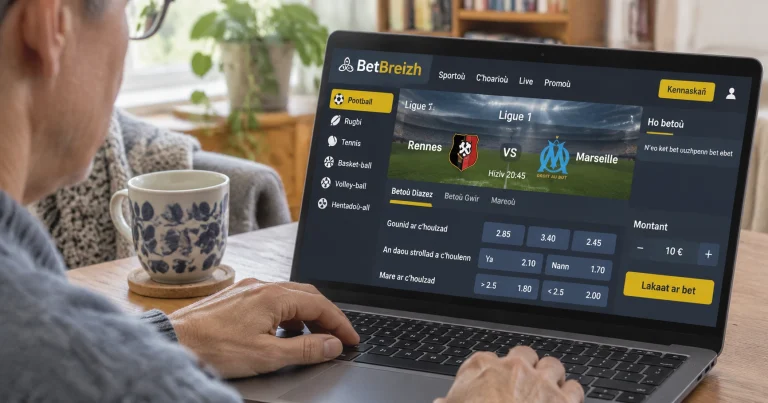
jogabet sports banner

Promotional image linked to the external destination provided. On smaller screens, the text remains separate to preserve readability.

Quick map: what to observe in sports at jogabet

The comparison below brings together the points that help organize the reading most. The focus is not to predict the score. It is to understand where analysis gains strength, where it loses precision, and when it is worth slowing down.

Focus What to look at What to avoid Practical reading
Game context Lineup, home advantage, recent sequence, and team approach. Basing everything on a single past result. Use context to adjust expectations, not to end the conversation too early.
Markets How the line changes and which scenarios it seems to summarize. Treating odds movement as an automatic sign of being right. Compare the market reading with what the game shows on the field.
Discipline Analysis time, repeatable criteria, and a limit for changing your mind. Getting carried away by a full round or an isolated comment. A good analysis is usually slower than the urge to act.
Responsible gaming Comfort with reading, clarity of purpose, and a pause when necessary. Forcing participation when the situation is unclear. If the reading is not clear, delaying is also a valid decision.
The chart serves as an editorial filter. It helps separate observation from hasty guesswork, without inventing an edge or turning reading into a promise.

Practical reading before any decision

On jogabet, observing sports carefully starts by separating useful information from noise. The first step is to check whether the reading is supported by signals that really change the game: team posture, recent form, tactical fit, and match context. When these elements appear together, the analysis becomes more solid. When they appear separately, with no connection to each other, the risk is overinterpreting and concluding too early, before understanding the real pace of the matchup.

Another important point is not to treat a single piece of data as the full explanation. A recent scoreline, an away-game streak, or a better-known name may catch attention, but they do not end the analysis. In sports, what matters is the combination of performance, scenario, and expected behavior within the match. If the reading depends on only one slice, it tends to be fragile and to change easily as soon as new information comes in.

It is also worth watching how the market reacts, without confusing movement with certainty. Line changes may reflect expectation, perception adjustment, or simple scenario reorganization, and not necessarily an objective confirmation of what will happen. For that reason, comparing what the match suggests with what the line seems to summarize helps avoid automatic conclusions. This care is useful so that a price change does not become a closed argument.

In practice, discipline matters as much as observation. A consistent analysis usually follows repeatable criteria, such as checking context, reviewing relevant data, and accepting that not every reading needs to become immediate action. When the decision comes from haste, the chance of ignoring details increases. When there is method, it becomes easier to see whether the match really offers clarity or only seems to. This filter reduces the influence of impulse and improves the quality of the reading.

Another aspect that deserves attention is emotional stability during browsing. In sports, it is common to want to respond quickly to a strong impression, especially when the match seems to open space for a simple interpretation. But hasty reading tends to exaggerate short signals and underestimate changes in pace, substitutions, and adjustments throughout the game. Observing calmly helps keep the focus on what is actually happening, not on what one would like to happen.

Finally, responsible gaming is also part of sports reading. If the scenario is unclear, if the analysis does not add up, or if the urge to act is stronger than the clarity, pausing is a valid form of control. On jogabet, this care matters because it keeps browsing more conscious and prevents observation from turning into pressure. The best reading is not the fastest one; it is the one that can recognize limits, review hypotheses, and respect the right moment to stop.

Three angles that give shape to the analysis

Each card below expands one line of the table. The tone is direct because the topic calls for precision. Less decoration, more criteria.

1. The game from the inside

Before looking at the line, it is worth reading what the match demands. A team pressing high, another more reactive, a changed defense, or a midfield that does not fit well can greatly change how the scenario is interpreted.

  • Who controls the pace?
  • Where does the team usually give up space?
  • Has there been a recent change in posture?

Practical reading of the match

To understand the game from the inside, observe signals that go beyond the score. Passing sequences, buildup under pressure, set pieces, and quick transitions help reveal whether the team is comfortable or merely reacting to what the opponent proposes. It is also worth noting when a team protects the center more or opens the flanks, because that changes the attacking and defensive dynamic over the minutes.

Another useful point is comparing the current moment with each side’s usual approach. Formation changes, early substitutions, and marking adjustments may indicate that the initial plan did not fit. Instead of looking only at favoritism, try to understand whether the team can sustain intensity, recover possession, and turn territorial control into clear chances without exposing itself too much at the back.

In the context of jogabet, this reading serves to organize the analysis before any decision. The idea is to observe how the match is built, identify where the game gains or loses fluidity, and notice whether the pace favors a specific side. With this care, the interpretation becomes more consistent and less dependent on quick impressions or a single isolated play.


2. The line from the outside

Markets and odds condense a view of the moment. The value lies in comparing that view with what you actually observe, because the line can reflect expectation, adjustment, and collective reading at the same time.

  • Does the price seem to follow the context?
  • Has there been movement that deserves review?
  • Is the reading consistent with the match?

3. The decision with brakes

Not every reading needs to become action. In sports, discipline is usually as important as analysis. A short pause prevents doubt from turning into haste.

  • Is the scenario clear enough?
  • Can you explain the choice in a few lines?
  • Is there a real reason to wait?

Visual reading: pace, comparison, and context

The images appear throughout the page to reinforce the theme without competing with the text. The framing stays clean and easy to read on mobile.

Long reading: questions that better filter the round

These questions help avoid automatic reading. They do not replace analysis, but they make analysis less vulnerable to impulse.

What makes a match seem more open than it looked on paper?
Changes in lineup, accumulated fatigue, a different away posture, and the need for a result can alter the dynamic. Paper helps, but it does not exhaust the match.
Why can an odd change before the game starts?
Because the market also reacts to information, expectation, and reading corrections. The variation may say the scenario was reinterpreted, not that the outcome became certain.
What is the most common mistake when reading sports in a hurry?
Taking a small slice as if it explained everything. A bad round, an isolated scoreline, or a momentary comment do not support consistent analysis on their own.
When is it worth stopping the comparison and just observing?
When the pieces do not fit. If the lineup is surprising, the pace changes too much, or the line seems inconsistent with what you saw, the pause is part of the reading.

Image, pause, and final check

The last image serves as a visual closing of the theme, without mixing text over the photo. The block below returns to the practical use of reading.

jogabet sports image 3
Before looking at any line, it is worth asking a simple question: what in this game really changed? If the answer is still unclear, the reading needs more time. Sports do not go well with haste pretending to be certainty.

Short steps to read more calmly

A short routine usually works better than a huge list. The process below keeps the analysis lean and repeatable.

1

Read the context

See the whole match before looking at the line. Lineup and home advantage are usually the first filter.

2

Compare the interpretation

See whether the odds match what the game suggests. If they do not, review the reading.

3

Test your doubt

Ask what might be missing. Sometimes the answer is simple: there is still not enough basis.

4

Decide without rushing

If the scenario is unstable, wait. In sports, waiting is also part of the method.

Next paths on jogabet

Two shortcuts, two uses. Choose according to what you want to review now.

English (Philippines)